
The Remarkable Intelligence of Elephants: Exploring their Cognitive World
Elephants have fascinated humans for centuries, not just because of their immense size and presence, but because of the extraordinary intelligence and emotional depth that lies beneath the surface. From their powerful memories and close family bonds to their problem-solving abilities and apparent understanding of grief, elephants continue to challenge what we think we know about animal cognition.
Scientists, conservationists and safari guides alike have long observed behaviours that suggest elephants possess a remarkable level of awareness, emotional intelligence and social understanding. The more we study them, the clearer it becomes that elephants are not only highly intelligent animals, but deeply complex beings with rich emotional and social lives.
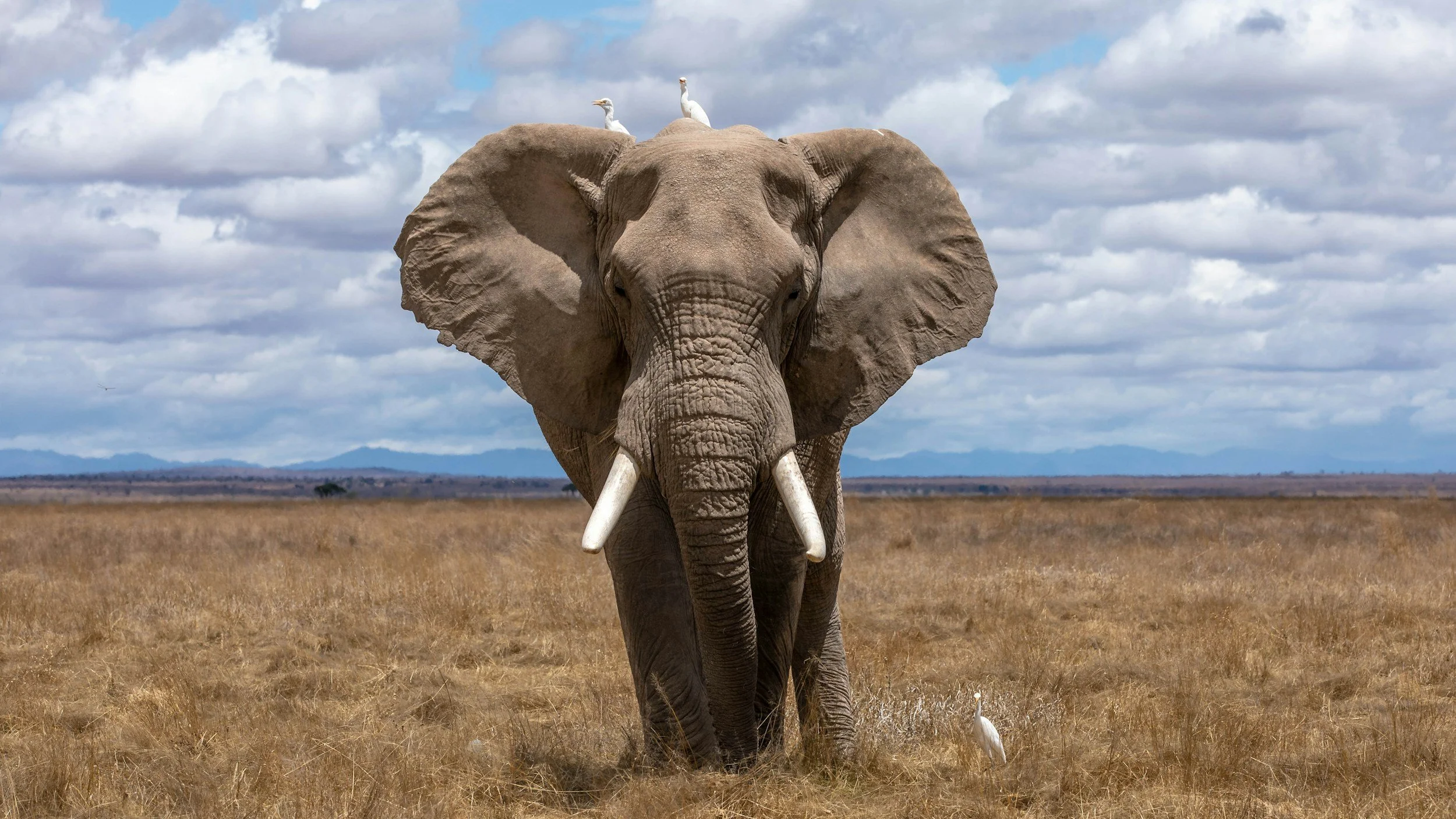
An Elephant Never Forgets: The Power of Memory
The phrase “an elephant never forgets” exists for a reason. Elephants possess one of the most impressive long-term memories in the animal kingdom, something that plays a vital role in both their survival and their social lives.
Spatial Memory
Elephants are capable of remembering the locations of water sources, feeding grounds and migratory routes across enormous landscapes, even if they have not visited them for many years. In harsh and changing environments, this memory can mean the difference between life and death.
Older matriarchs often carry decades of environmental knowledge, guiding their herds to seasonal waterholes and safe routes during times of drought or pressure. In regions such as Namibia and Mali, desert-adapted elephants rely heavily on this inherited memory to survive in some of Africa’s harshest landscapes.
Social Memory
Elephants also have an incredible ability to remember other individuals. They can recognise members of their herd, distinguish between familiar and unfamiliar elephants and even remember humans they have encountered before.
Research has shown elephants can recognise voices, scents and visual characteristics many years after separation. This ability helps maintain social structures within herds and strengthens the bonds that are central to elephant society.
Learning and Recall
Studies have demonstrated elephants’ ability to learn tasks and retain that knowledge over long periods of time. Their highly developed hippocampus — the part of the brain associated with memory and navigation — supports this extraordinary cognitive ability.
Their memory is not simply impressive; it is essential for navigating an increasingly difficult world shaped by habitat loss, drought and human activity.
Social Bonds and Recognition
Elephants live within deeply connected family structures built around long-term relationships, cooperation and communication. Their ability to recognise and remember individuals forms the foundation of these complex social systems.
Documented reunions between elephants separated for years have shown intense emotional reactions, vocalisations and physical displays of excitement. Stories such as the reunion between Shirley and Jenny — two elephants reunited after decades apart — continue to provide powerful insight into the emotional depth of elephant relationships.
Elephants use a combination of sound, scent and visual cues to identify one another. Their communication extends far beyond what we can hear, including low-frequency infrasound that can travel across several kilometres.
These strong social bonds are not simply practical for survival — they appear emotionally significant too.
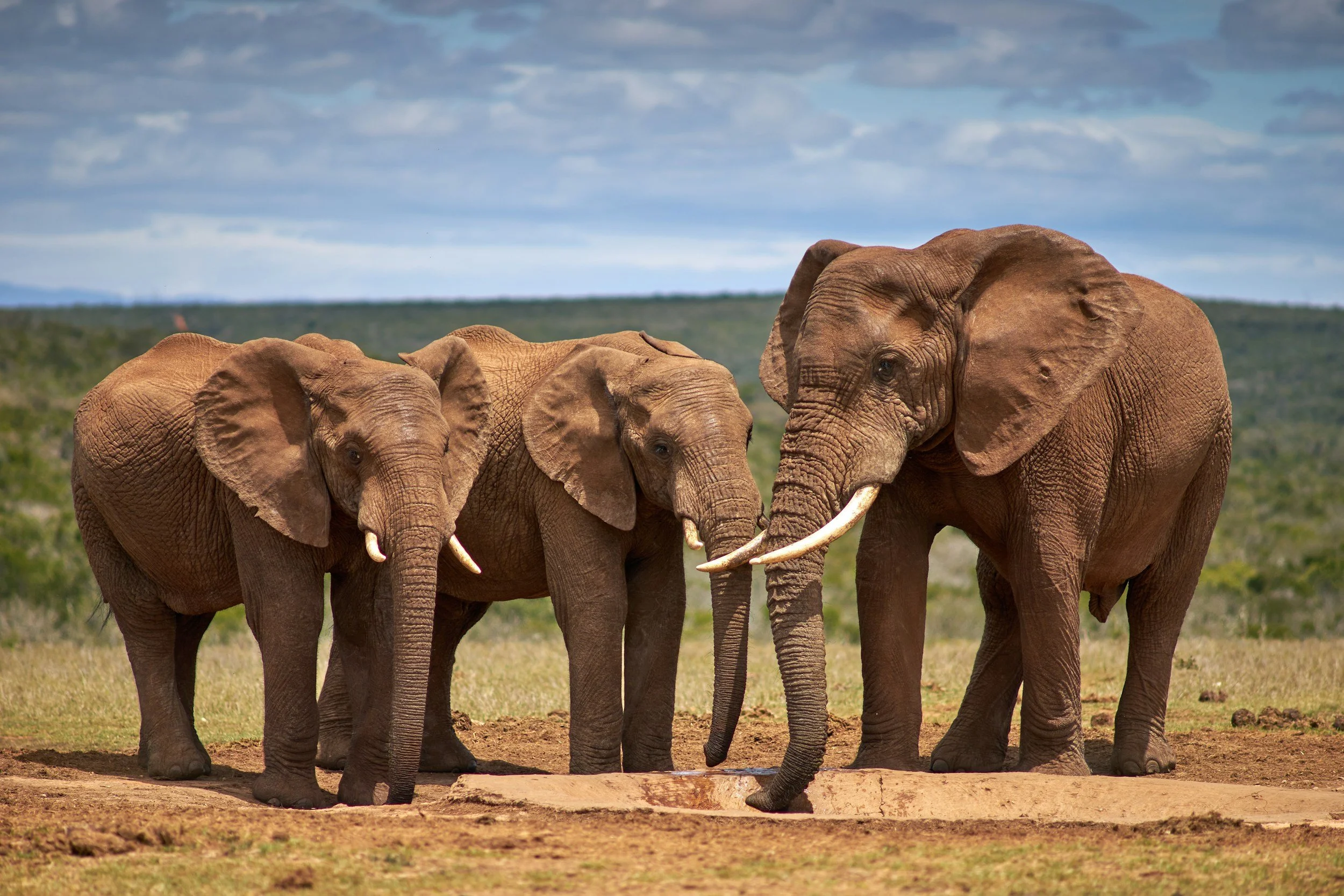
Ecological Intelligence: Masters of Their Environment
Elephants possess an extraordinary understanding of the landscapes they inhabit. Their ecological intelligence allows them to adapt to changing environments, locate critical resources and navigate vast wilderness areas with remarkable precision.
Matriarchs pass down knowledge through generations, teaching younger elephants where to find water, food and safe migration routes. This transfer of knowledge is vital for herd survival and highlights the importance of older elephants within elephant society.
Elephants also play a major role in shaping ecosystems. By knocking down trees, dispersing seeds and digging waterholes, they create habitats and opportunities for countless other species. For this reason, elephants are often referred to as ecosystem engineers.
Their relationship with the environment goes far beyond simple survival — they actively influence and sustain the ecosystems around them.
Tool Use & Problem Solving
Elephants are capable problem solvers and have demonstrated impressive tool use in the wild.
They use branches to swat flies, scratch themselves and manipulate their surroundings. Some elephants have been observed modifying branches to better suit a particular task, showing foresight and an understanding of cause and effect.
Their intelligence also extends to assessing risk and reading situations. Research suggests elephants can distinguish between different groups of people based on scent, clothing and voice, adjusting their behaviour depending on whether they perceive a threat.
These behaviours require sophisticated cognitive processing and reinforce the idea that elephants possess highly advanced awareness of the world around them.
Empathy, Grief and Emotional Depth
Perhaps one of the most moving aspects of elephant behaviour is their apparent emotional intelligence
Elephants regularly display behaviours associated with empathy and compassion. Herd members comfort distressed individuals, support injured elephants and protect vulnerable calves. Adults have been seen forming protective circles around young elephants or remaining beside sick or injured companions for extended periods.
Their reactions to death are particularly striking. Elephants have been observed touching bones and tusks with their trunks, covering deceased elephants with leaves and soil, and remaining quietly near bodies for long periods of time. These behaviours strongly suggest an awareness of loss and mourning.
While we can never fully know the emotional experiences of another species, there is growing evidence that elephants experience rich and complex emotions comparable in many ways to our own.

Why Elephant Intelligence Matter
Understanding elephant intelligence changes the way we view and interact with these animals. They are not simply iconic safari species or symbols of the wild — they are highly sentient beings with emotional lives, social structures and memories that shape their existence.
This understanding also reinforces the importance of ethical conservation and responsible tourism. Protecting elephants means protecting not only a species, but entire social networks, ecosystems and generations of learned knowledge passed down over decades.
The more we learn about elephants, the more extraordinary they become. Their intelligence, empathy and social complexity continue to remind us how much there still is to understand about the natural world — and why it matters so deeply that we protect it